Tag Archives: luxury interior design

American Beauty – New York Style

Key Takeaways

  • New York interior design is defined by its mix of architectural history, contemporary luxury and cultural influences.
  • Brownstones, loft apartments and modern high-rise residences each provide a different foundation for New York style.
  • Art Deco remains an important influence, bringing geometric forms, polished metals, rich finishes and statement lighting into contemporary interiors.
  • Successful New York interiors often combine furniture, artwork and decorative details from different periods.
  • Materials such as marble, timber, glass, metal, leather and luxurious textiles add depth and character.
  • Lighting, artwork and carefully selected statement pieces can create a New York-inspired interior without overwhelming the space.

New York style interior design combines architectural character, sophisticated materials and an eclectic mix of furnishings to create spaces that feel individual rather than prescribed. From traditional Brownstones to industrial lofts and luxury high-rise apartments, there is no single formula for creating the New York look.

Instead, the style reflects the city itself. Historic architecture can sit comfortably alongside contemporary furniture, bold artwork, luxurious fabrics and carefully selected vintage pieces. The result should feel collected and personal, with each element contributing to the character of the interior.

What Is New York Style Interior Design?

New York style interior design is an eclectic approach that combines elements from different periods, cultures and design movements. It can include everything from Art Deco glamour and industrial loft influences to mid-century furniture and contemporary luxury.

That freedom is an important part of its appeal.

New York interiors are as diverse as the people who live in them. Traditionally elegant Brownstone buildings, Greenwich Village lofts and modern Manhattan apartments all require different approaches, yet each can embrace the combination of old and new that has become associated with the city.

The objective is not to recreate a particular period. Instead, it is about finding connections between architecture, furniture, artwork, colour and materials.

A classic chair can sit beside a contemporary table. A modern artwork might provide contrast against traditional architectural detailing. Polished metal, lacquered timber and luxurious textiles can introduce another layer of sophistication.

The combinations may be unexpected, but they should never feel accidental.
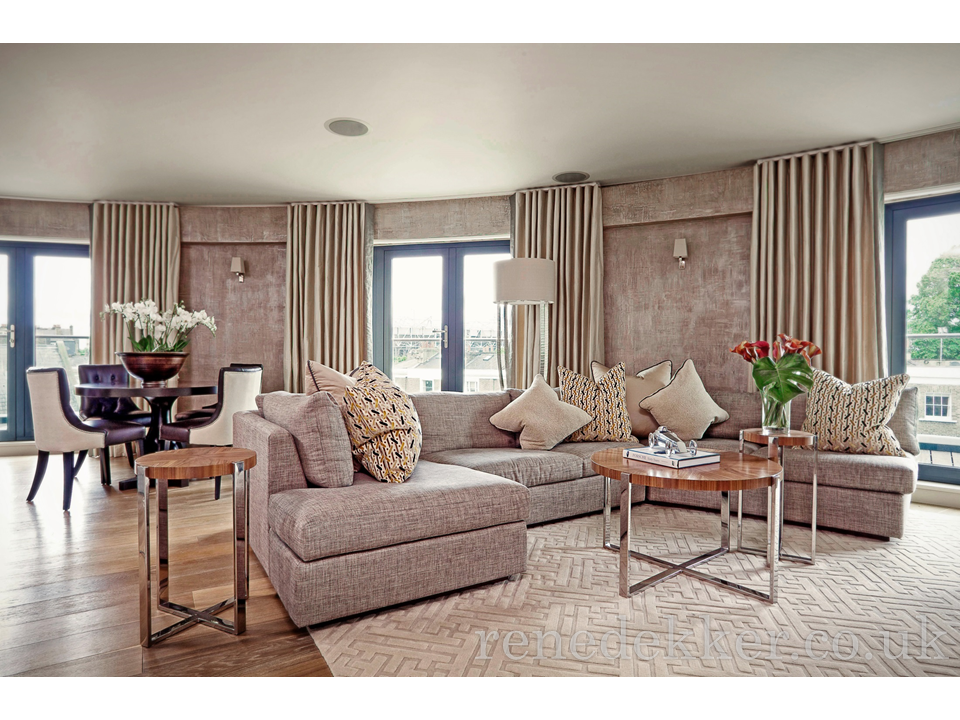
Open plan living room

Start With the Architecture

The architecture should always influence the interior. New York has an extraordinary range of residential buildings, and the character of a Brownstone is very different from that of a converted warehouse or glass tower.

Understanding those differences provides the starting point for the design.

New York Brownstone Interiors

Brownstones provide a strong architectural framework for a sophisticated interior. High ceilings, decorative mouldings, fireplaces and generous windows can become important elements within the finished scheme.

Rather than filling these spaces entirely with traditional furniture, contemporary pieces can provide contrast. A modern sofa beneath traditional cornicing, abstract artwork above an original fireplace or a contemporary light fitting within a period room can make the architecture more noticeable rather than disguising it.

The relationship between old and new is what creates interest.

New York Loft Interiors

Lofts provide an entirely different opportunity.

Open spaces, large windows, high ceilings and industrial details create a natural setting for larger furniture and artwork. Exposed brick, steel, timber and concrete can provide much of the room's texture before furniture has even been introduced.

The challenge is often one of scale. Small furniture can become lost within a large open-plan room. Generous sofas, oversized rugs, substantial dining tables and large pieces of art help establish individual areas without relying on walls.

Lighting can also define different zones while maintaining the openness that makes loft living so appealing.
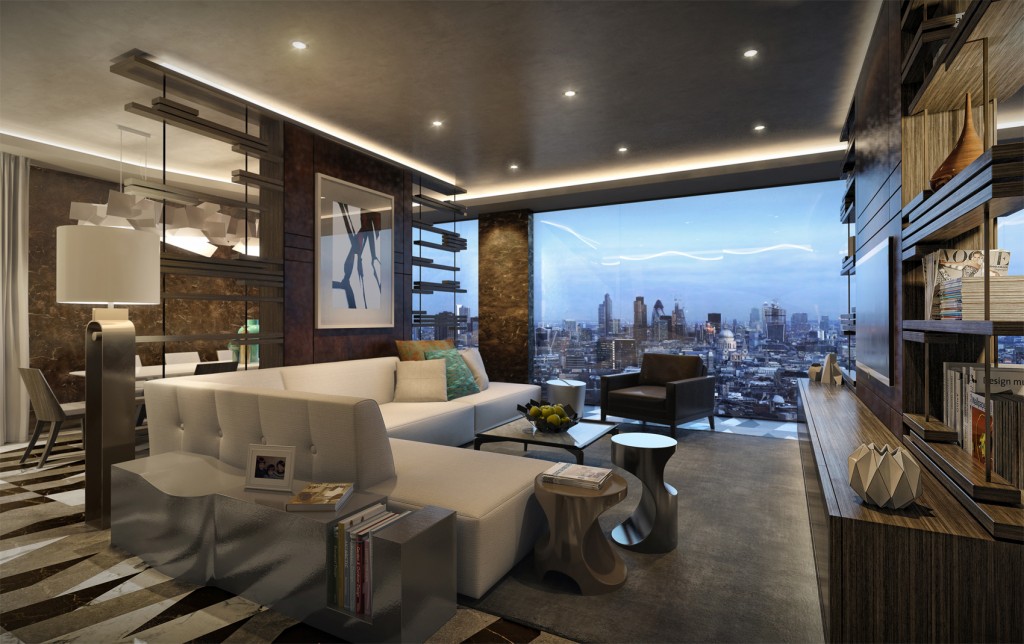
Loft Apartment

Luxury High-Rise Apartments

Modern high-rise apartments often provide expansive views, generous glazing and a cleaner architectural backdrop. Here, the interior can introduce warmth and character through texture, colour and bespoke detailing.

Timber, stone, metal, leather, silk and wool can soften the harder architectural surfaces. Bespoke joinery can also create architectural interest while providing practical storage. The view is often one of the apartment's strongest features, so furniture placement and lighting should enhance it rather than compete with it.

The Influence of Art Deco on New York Interiors

Few design movements are as closely associated with New York as Art Deco. The movement helped define some of the city's most recognisable architecture and continues to influence luxury interiors today.

Geometric forms, lacquered timber, polished metals, marble, mirrored surfaces and glamorous lighting can all introduce an Art Deco influence without turning a contemporary home into a period recreation.

The key is editing. A geometric console, sculptural chandelier or piece of highly polished furniture may be enough to establish the reference. Pairing these elements with simpler contemporary furniture prevents the room from feeling overly themed.

Art Deco also demonstrates something central to New York style: glamour does not need to mean excess. One beautifully made statement piece can sometimes provide more impact than a room filled with decorative objects.

Mixing Old and New Furniture

One of the most appealing aspects of New York interiors is the freedom to combine furnishings from different eras. An Art Deco table might sit alongside a contemporary sofa. A classic armchair can work with modern lighting. A vintage cabinet can provide contrast against a highly contemporary architectural backdrop.

These combinations create interiors that feel as though they have developed over time.

Successful mixing does, however, require some common ground. Scale, colour, material or shape can provide a connection between apparently unrelated pieces. Furniture does not have to match, but there should be a visual conversation between the individual elements.

Proportion is particularly important. A large room with high ceilings usually requires furniture with enough presence to hold its own within the architecture. In a smaller apartment, fewer carefully chosen pieces can make the room feel more spacious.
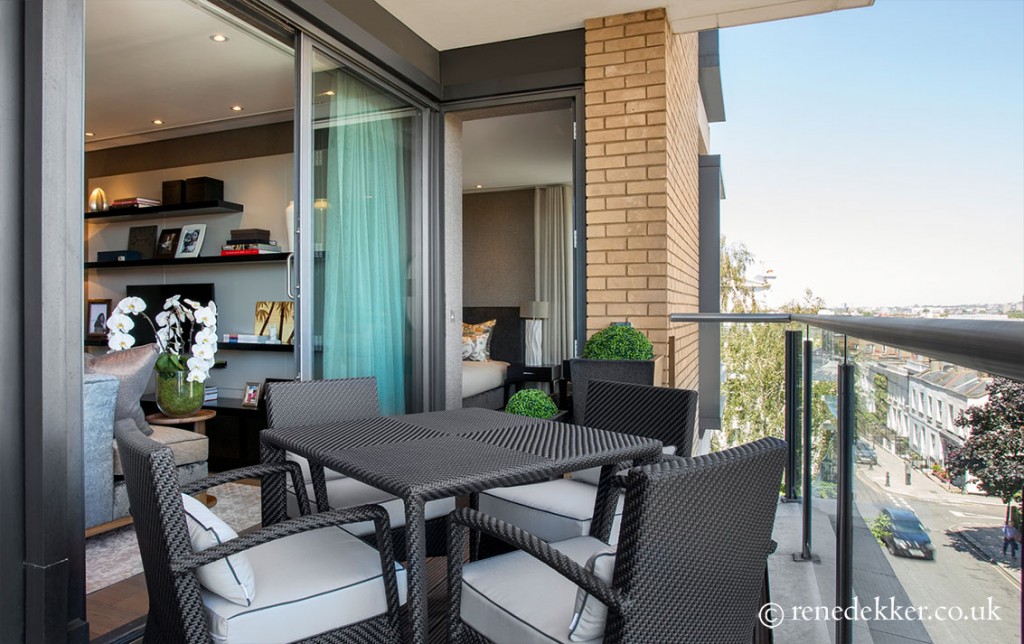
Campden Apartment René Dekker Design

What Colours Define New York Interior Design?

There is no single New York colour palette.

Neutral colours often provide a sophisticated foundation, particularly in contemporary apartments. Warm whites, greys, taupes and natural timber tones allow artwork, furniture and architectural details to take greater prominence.

Darker colours can create a different character.

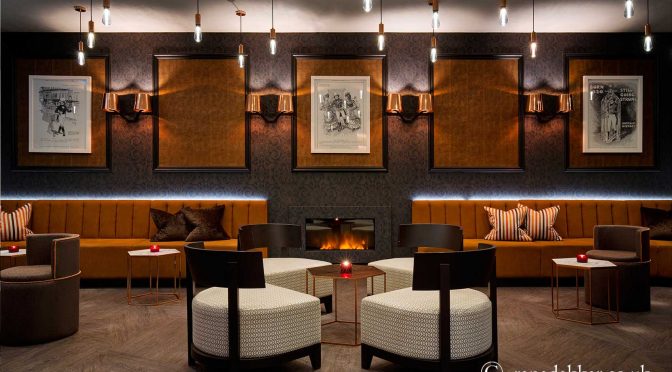
Charcoal, chocolate, navy and deep green can bring drama to dining rooms, studies, entrance halls and evening spaces. When combined with warm metals, polished surfaces and carefully positioned lighting, darker palettes can feel luxurious rather than oppressive.

Colour can also be introduced through art and furniture.

A bold sofa, sculptural chair or large artwork can become the focus of an otherwise restrained room. This is often more effective than distributing strong colour evenly throughout the entire space.

Materials That Create a Luxury New York Interior

Material selection plays an important role in creating depth.

Marble and Stone

Natural stone can provide both structure and luxury.

Marble works particularly well in kitchens, bathrooms, entrance halls and fireplaces. Its natural variation prevents large surfaces from feeling flat and provides an effective contrast with timber and metal.

Timber

Timber brings warmth into both contemporary and traditional New York interiors.

Dark timber can create a rich, established atmosphere, while lighter finishes work well in brighter contemporary apartments. Bespoke timber joinery can also provide storage without introducing unnecessary visual clutter.

Metal and Glass

Metal and glass reference both New York's industrial heritage and its Art Deco architecture.

Bronze, brass, stainless steel and darker metal finishes can be introduced through lighting, furniture and architectural details.

Glass helps maintain a sense of openness and can be particularly useful where natural light is limited.

Luxurious Textiles

Fabric softens architectural surfaces and provides another opportunity to introduce colour and texture.

Velvet, silk, wool, leather and textured wall coverings can all contribute to a richer interior. Combining several textures is often more interesting than relying on pattern alone.
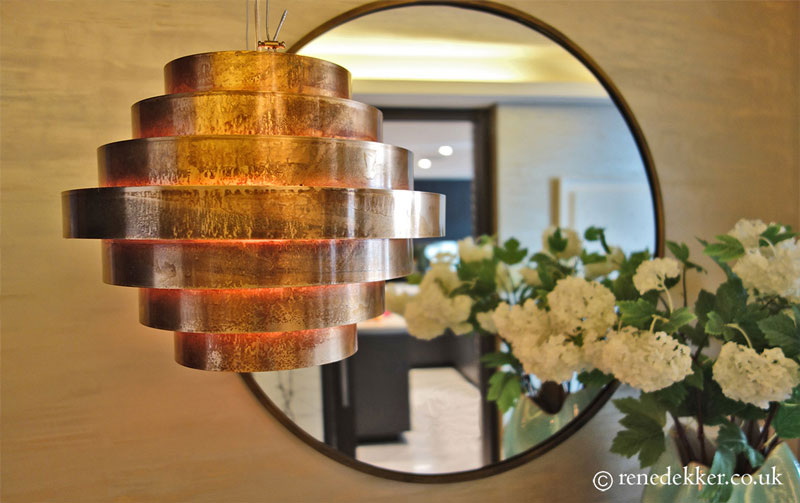
art deco interior design

How Important Is Lighting in a New York Style Interior?

Lighting is fundamental because New York interiors can vary considerably in their access to natural light.

Apartments surrounded by other buildings may require a different strategy from high-rise residences with floor-to-ceiling windows.

Layering different sources of light creates flexibility.

Ambient lighting provides general illumination, while table lamps, floor lamps and wall lights create more intimate pools of light. Accent lighting can highlight artwork, architectural details or textured surfaces.

Statement lighting can also act as sculpture.

A dramatic chandelier above a dining table or sculptural pendant within a double-height space can provide a strong focal point even when the light is switched off.

The fitting should always suit the proportions of the room. A large space can accommodate a more dramatic fixture, while smaller rooms usually benefit from greater restraint.

Artwork Is Essential to the New York Look

Art can completely change the character of an interior.

New York has long been associated with art, galleries and creative culture, making artwork a natural component of interiors inspired by the city.

A large contemporary work can introduce colour into a neutral room. Photography can reinforce a monochromatic scheme, while sculpture can provide dimension within an entrance hall or living space.

Artwork does not need to match the furniture.

In fact, contrast is often more interesting. A contemporary painting above a traditional fireplace or classical piece within a minimalist room creates tension between periods.

The collection should ultimately reflect the owner rather than simply fill empty walls.

How Do You Create New York Style in a Smaller Apartment?

A smaller home can still capture the character of New York design.

The key is choosing fewer pieces with greater impact.

Start with furniture that is properly scaled to the room. Oversized furniture can restrict movement, but filling the space with numerous small pieces can make it feel cluttered. Built-in storage helps maintain cleaner lines and allows important furniture, art and accessories to stand out.

Mirrors and reflective materials can distribute light, while carefully selected lighting creates depth after dark. The design should also make full use of vertical space. Tall shelving, artwork and full-height window treatments can draw attention upward and make ceilings feel higher.

Most importantly, avoid trying to include every New York design reference in one room. A successful interior may only need one or two elements to establish its character.
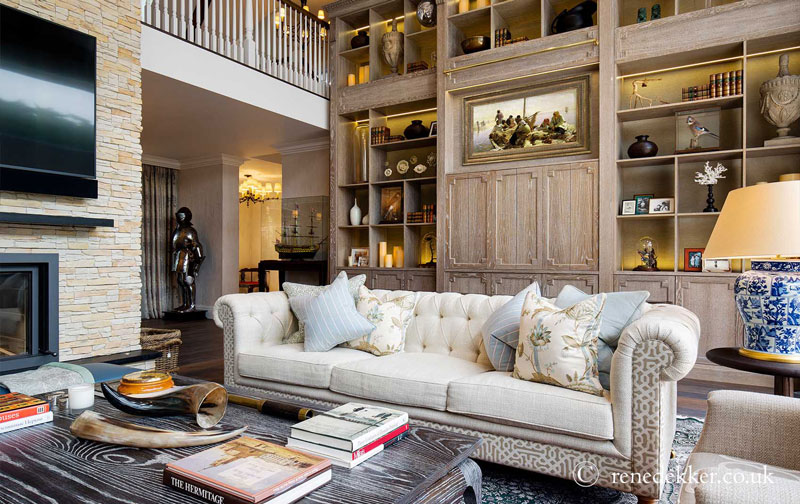
Can New York Style Work in a London Home?

New York style can translate beautifully into a London property because both cities contain an extraordinary mix of historic and contemporary architecture.

A London townhouse, warehouse conversion or contemporary apartment can all accommodate elements associated with New York interiors.

The objective should not be to recreate Manhattan in London. Instead, the design can borrow the principles that make New York interiors interesting: mixing periods, respecting architecture, using quality materials, introducing strong artwork and creating contrast between classic and contemporary pieces.

This approach also allows the home to remain sympathetic to its original location and architecture.

Creating a New York Interior That Feels Personal

The best New York interiors do not look as though they were purchased from a single collection.

They evolve from the personalities and interests of the people living there. Books, artwork, furniture collected during travel, inherited pieces and bespoke items can all contribute to the story of the home. These elements prevent a professionally designed interior from feeling anonymous.

The role of the designer is to bring those individual pieces together into a coherent whole.

Colour, proportion, texture and repetition can establish connections between items that might otherwise appear unrelated. This is where eclectic design requires discipline. There is a difference between a room that is layered and one that is simply full.

Frequently Asked Questions

What defines New York style interior design?

New York style combines architectural character with furniture, artwork and materials from different periods. Art Deco, industrial design, contemporary luxury and classic furnishings can all contribute to the look. The result should feel layered and individual rather than based on a single design formula.

How can I make my home look like a New York apartment?

Start with the architecture and introduce a limited number of New York-inspired elements. Statement lighting, large artwork, quality materials, contrasting furniture styles and carefully considered colour can establish the look without making the interior feel themed.

What colours work best for a New York style interior?

Warm whites, grey, taupe and natural timber tones provide a versatile foundation, while navy, charcoal, deep green and other darker shades can add drama. Stronger colours can then be introduced through furniture, artwork and accessories.

Is Art Deco part of New York interior design?

Yes. Art Deco has a strong connection with New York architecture and continues to influence luxury interiors. Geometric forms, polished metals, marble, lacquered surfaces and statement lighting can introduce Art Deco character into contemporary spaces.

Can you mix traditional and modern furniture in a New York interior?

Yes. Combining periods is one of the defining characteristics of New York style. The key is to create connections through proportion, colour, materials or form so that traditional and contemporary pieces feel deliberately chosen rather than randomly assembled.

Conclusion

New York style is difficult to reduce to a single look, and that is precisely what makes it interesting.

Brownstones, lofts and contemporary apartments provide very different architectural starting points, yet each offers opportunities to combine classic and modern furniture, luxurious materials, bold artwork, rich textures and statement lighting.

The most successful New York-inspired interiors are not replicas of a particular apartment or design period. They borrow from the city's confidence and diversity while remaining appropriate to the architecture and the people who live there.

For René Dekker Design, this considered and tailored approach is central to creating luxury interiors. Rather than applying a predetermined house style, each project can respond to the property, the client's requirements and the opportunities presented by the space.

The result is an interior that feels sophisticated and carefully composed, but above all, personal.
9 Best ways to use lighting in interior design

Key Takeaways

  • Layer ambient, task, and accent lighting for depth and functionality
  • Statement fixtures serve as sculptural focal points that provide essential illumination
  • Smart lighting systems offer personalised control and energy efficiency for modern luxury homes
  • Strategic lighting design can enhance spatial perception and create more inviting environments

Lighting transforms spaces from functional to extraordinary, yet many homeowners underestimate its impact on interior design. This disconnect reveals a misunderstanding about lighting's role as the invisible architect of atmosphere, mood, and visual hierarchy in luxury interiors.

Professional designers know lighting is the foundation upon which all other design elements build their impact. From creating intimate conversation areas to highlighting architectural features, strategic illumination elevates spaces beyond their physical constraints, turning ordinary rooms into captivating environments that reflect personal style and sophistication.

Master the Art of Layered Lighting

The most common mistake in interior lighting isn't choosing the wrong fixtures; it's relying solely on overhead lighting to illuminate an entire space. This single-source approach creates harsh shadows, eliminates visual depth, and turns even the most carefully designed room into a flat, uninspiring environment.

Professional lighting design operates on a fundamental principle: layering multiple light sources to create dimension, functionality, and atmosphere. When done properly, layered lighting transforms ordinary spaces into extraordinary environments that adapt to different moods and activities throughout the day.

Understanding the Three Essential Lighting Types

Ambient lighting forms the foundation of any well-designed lighting scheme. This general illumination provides overall brightness to a room, typically through ceiling-mounted fixtures, recessed lights, or large pendant lights. Think of ambient lighting as the canvas upon which other lighting layers are painted.

Task lighting serves specific functional purposes, directing focussed illumination where activities occur. Reading lamps beside armchairs, under-cabinet lighting in luxury kitchens , and vanity lights in bathrooms all qualify as task lighting. These fixtures reduce eye strain and improve safety during detailed work.

Accent lighting creates visual drama and highlights architectural features, artwork, or decorative elements. Wall sconces, picture lights, and strategically placed spotlights fall into this category. Accent lighting adds personality and draws attention to the room's most compelling features.

Creating Depth Through Light Layering

Successful light layering requires combining sources at different heights and intensities. Floor lamps provide illumination at eye level, table lamps create intimate pools of light, and overhead fixtures establish general brightness. This vertical distribution prevents the flat appearance that results from single-source lighting.

Temperature variation adds another layer of sophistication to your lighting design. Warm light (2700K-3000K) creates cosy, intimate atmospheres, while cooler temperatures (3500K-4000K) enhance focus and productivity. Mixing temperatures throughout a space creates natural transitions between different functional zones.

The key lies in avoiding the overhead fixture trap entirely. Instead of depending on one central light source, distribute illumination through multiple fixtures that can be controlled independently. This approach allows you to adjust the lighting to match specific activities, times of day, or desired moods, creating a truly responsive luxury interior environment.

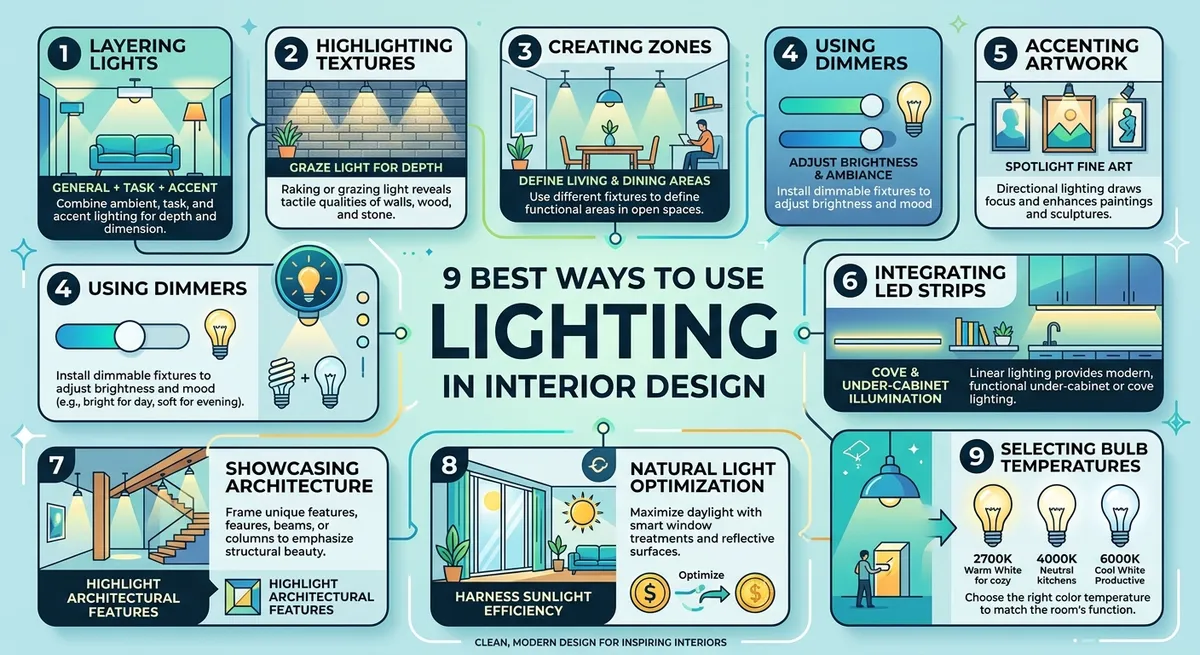
Infographic: 9 Best ways to use lighting in interior design
Key data and insights: 9 Best ways to use lighting in interior design

Strategic Placement for Maximum Impact

The difference between ordinary lighting and extraordinary illumination lies in strategic placement. Understanding precise measurements and optimal positioning transforms any space from merely functional to genuinely sophisticated. Professional luxury kitchens demonstrate how calculated placement creates both beauty and functionality.

Room Type Fixture Category Height from Floor Distance from Wall
Kitchen Pendant Lights (Island) 75-85cm above surface Centre of island
Bathroom Vanity Sconces 165-175cm from floor 75-90cm apart
Living Room Floor Lamps 150-165cm total height 30-45cm from seating
Dining Room Chandelier 75-90cm above table Centre of table

Room-by-Room Lighting Considerations

Kitchens require layered illumination that combines task and ambient elements. Under-cabinet lighting eliminates shadows on work surfaces while pendant lights provide focussed task lighting over islands and breakfast bars. The goal is to avoid harsh contrasts between bright work zones and dim surrounding areas.

Bathroom lighting requires special attention to vanity placement. Wall-mounted sconces positioned at eye level create even, flattering illumination for grooming tasks. Shower areas benefit from recessed downlights with appropriate IP ratings, while ambient lighting softens the overall atmosphere.

Living spaces thrive on flexibility and layering. Conversation areas need gentle ambient lighting that encourages relaxation, while reading nooks require focussed task lighting. Luxury lighting schemes incorporate multiple switching circuits to accommodate different activities and moods throughout the day.

Height and Angle Optimisation

Pendant light positioning follows specific rules that vary by application. Kitchen island pendants hang 75-85cm above the worktop, allowing adequate clearance while providing effective task lighting. Dining room fixtures require 75-90cm clearance above the table surface to prevent glare while maintaining an intimate atmosphere.

Wall sconce placement dramatically affects both functionality and aesthetics. Mounting sconces 165-175cm from the floor creates flattering facial illumination without casting unflattering shadows. Bedroom sconces benefit from slightly lower positioning at 150-160cm to accommodate reading in bed.

Floor lamp positioning requires consideration of both light distribution and traffic flow. Placing lamps 30-45cm from seating ensures adequate reading light while avoiding obstruction. Torchiere-style floor lamps work best in corners where they can bounce light off walls and ceilings for ambient illumination.

Statement Fixtures as Design Focal Points

Statement lighting fixtures serve as architectural jewels that transform spaces from ordinary to extraordinary. These bold design elements illuminate rooms while functioning as sculptural art pieces that capture attention and define the character of an interior. Well-chosen statement fixtures make both aesthetically pleasing and financially rewarding investments in luxury properties.

The power of statement lighting lies in its ability to create immediate visual impact while establishing the design hierarchy within a space. A carefully selected chandelier or oversized pendant light becomes the room's focal point, drawing the eye upward and creating a sense of grandeur that elevates the entire design scheme.

Choosing Sculptural Lighting Elements

Chandeliers remain the ultimate architectural statement, particularly when positioned over dining room lighting design schemes. Modern chandeliers have evolved beyond traditional crystal designs to encompass bold geometric forms, organic shapes, and innovative materials that blur the line between lighting and sculpture.

Oversized pendant lights create a dramatic effect in spaces with high ceilings or open floor plans. These commanding fixtures work particularly well in entrance halls, stairwells, or above kitchen islands where their scale can be fully appreciated. The key lies in choosing pieces that complement existing architectural features.

Unique table and floor lamps function as art pieces that provide both illumination and personality. Consider these sculptural elements as three-dimensional artwork that emits light. They offer flexibility to experiment with bold designs without the commitment of permanent installation.

Balancing Statement Pieces with Overall Design

Scale considerations are crucial when selecting statement fixtures for different room sizes. A general rule suggests that chandelier diameter should equal the room's length plus width in feet, converted to inches. However, this formula serves merely as a starting point for creating proper visual proportion.

Complementing existing architectural features requires careful observation of the room's inherent character. Period properties might benefit from fixtures that echo historical details, while contemporary spaces can accommodate more avant-garde designs. The goal involves creating harmony between the lighting and the architecture rather than forcing incompatible styles together.

Creating visual hierarchy through lighting choices establishes clear focal points and guides movement through the space. Statement fixtures should command attention without overwhelming other design elements, achieving balance through careful consideration of placement, scale, and intensity.

1

Smart Lighting Technology Integration

The luxury interior design landscape has transformed dramatically with the integration of smart lighting technology. An increasing number of luxury homeowners are incorporating intelligent lighting systems into their properties. This shift represents more than a technological upgrade; it fundamentally enhances both functionality and the overall luxury experience.

Smart lighting technology offers unprecedented control over ambience and atmosphere. Modern systems respond to voice commands, smartphone applications, and automated schedules. The sophistication of these solutions allows homeowners to create personalised lighting environments that adapt throughout the day.

Automated Lighting Control Systems

Programmable lighting scenes have revolutionised how we experience interior spaces. These systems allow homeowners to create distinct moods for different occasions with a single command. Dinner party settings can instantly transform to intimate evening ambience. Morning routines become seamless with gradual brightness increases that mirror natural sunrise patterns.

Voice control and smartphone integration provide convenience in modern lighting design. Popular systems like Philips Hue and Lutron Caséta respond to simple verbal commands. Homeowners can adjust brightness levels, change colour temperatures, and activate pre-set scenes without leaving their seats.

Energy efficiency benefits make smart lighting an environmentally conscious choice. LED technology combined with automated scheduling can reduce energy consumption significantly compared to traditional incandescent bulbs. Motion sensors ensure lights activate only when needed. Daylight harvesting systems automatically dim artificial lighting when natural light is abundant.

Personalisation Through Smart Technology

Circadian rhythm lighting supports natural wellness patterns by mimicking the sun's daily colour temperature changes. Cool blue-white light energises morning routines. Warm amber tones promote relaxation during evening hours. This technology particularly benefits those working from home or spending extended periods indoors.

Colour temperature adjustment throughout the day creates dynamic living environments. Morning light begins at 6500K to stimulate alertness. Afternoon settings shift to 4000K for comfortable task lighting. Evening transitions to 2700K warm white that prepares the body for rest.

Integration with comprehensive home automation systems creates seamless luxury interior experiences. Smart lighting coordinates with security systems, climate control, and entertainment centres. Statement lighting in family rooms can automatically dim when film viewing begins and gradually brighten during intermissions.

Creating Ambiance Through Light Temperature

The colour temperature of light profoundly influences the mood and functionality of any interior space. Understanding how different Kelvin ratings affect our perception and behaviour allows designers to create environments that truly serve their intended purpose.

Light temperature works on both psychological and physiological levels. Warm light naturally signals relaxation to our circadian rhythms, while cooler temperatures promote alertness and concentration.

Understanding Kelvin Ratings and Colour Temperature

The Kelvin scale provides a scientific framework for categorising light colour temperature. Warm light, ranging from 2700K to 3000K, creates intimate, cosy atmospheres perfect for living rooms and bedrooms. These golden tones complement natural materials and enhance the warmth of wood finishes.

Cool light between 4000K and 5000K offers excellent colour rendering for task-oriented activities. This temperature range proves particularly effective in kitchens and bathrooms where precision matters. The neutral white light reduces eye strain during detailed work.

Daylight simulation at 5500K to 6500K mimics natural sunlight conditions. These crisp, bright temperatures excel in home offices and study areas where mental clarity becomes paramount.

Room Type Recommended Kelvin Primary Function Atmosphere Created
Living Room 2700K-3000K Relaxation & Socialising Warm & Inviting
Kitchen 3500K-4000K Food Preparation Clean & Functional
Home Office 5000K-6500K Work & Concentration Alert & Energising
Bedroom 2700K-3000K Rest & Intimacy Calm & Soothing

Matching Light Temperature to Room Function

Entertainment spaces benefit from warm lighting schemes that encourage conversation and relaxation. The golden tones create a welcoming environment where guests naturally feel at ease. Consider how entertainment room lighting can transform your space into the perfect gathering place.

Kitchen and bathroom lighting demands higher colour temperatures for safety and functionality. Cool white light reveals true colours when preparing food or applying makeup. This practical approach ensures accuracy in daily tasks while maintaining visual comfort.

Transitional spaces like hallways and staircases work best with neutral temperatures around 3500K. This balanced approach provides adequate illumination without creating jarring contrasts between adjoining rooms.

Maximising Space Perception Through Lighting

Strategic lighting design can significantly transform how we perceive interior spaces. Well-executed lighting techniques can make rooms feel more spacious and inviting by eliminating harsh contrasts and dark corners.

The psychology behind space perception relies heavily on how light interacts with surfaces, shadows, and architectural elements. When light is thoughtfully distributed throughout a room, it eliminates harsh contrasts and dark corners that can make spaces feel cramped.

Techniques for Enhancing Room Size

Uplighting is one of the most effective methods for creating the illusion of height and spaciousness. By directing light towards the ceiling, you draw the eye upward and create the impression of elevated ceilings, even in rooms with standard height dimensions.

Wall washing techniques expand visual boundaries by eliminating sharp shadows along perimeter walls. This approach creates a seamless flow of light that makes walls appear to recede, effectively pushing out the perceived boundaries of the space.

Strategic mirror placement combined with targeted lighting amplifies these effects. Position mirrors opposite light sources or adjacent to windows to reflect and multiply available light throughout the room. The interplay between mirrors and lighting creates depth and dimension that can make even the smallest spaces feel remarkably open.

Highlighting Architectural Features

Grazing light techniques bring textured walls and architectural details to life while creating visual interest and depth. This approach involves positioning light sources close to textured surfaces, allowing the light to skim across the material and emphasise its natural characteristics.

Accent lighting for artwork and collections serves dual purposes in space enhancement. Properly lit focal points create visual anchors that guide the eye through the space, establishing a sense of scale and proportion. Consider how lighting in luxury en suites demonstrates this principle through carefully positioned spotlights that highlight both functional and decorative elements.

Cove lighting offers an elegant solution for enhancing architectural details without overwhelming the space. This indirect lighting method creates a soft, ambient glow that highlights ceiling details, crown moulding, or built-in features while maintaining the room's overall sense of openness and flow.

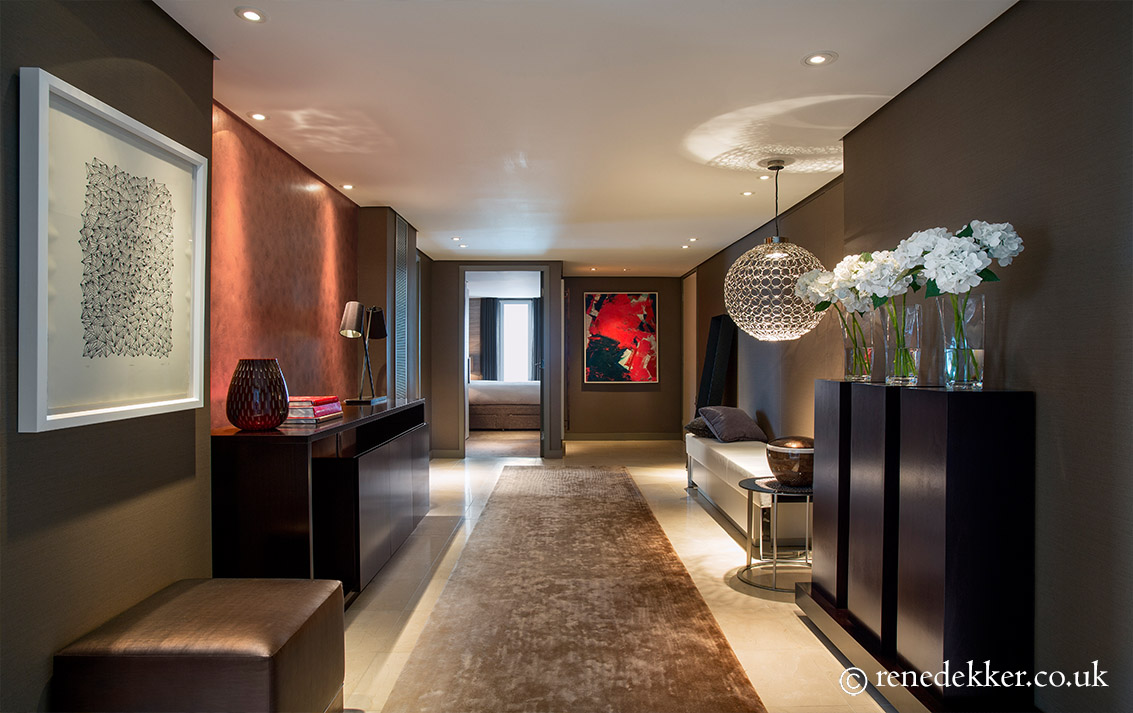
1 West London Penthouse chic entrance hall

Frequently Asked Questions

How many light sources should each room have for optimal lighting design?

For luxury homes, interior design professionals recommend incorporating 3-5 different light sources per room to achieve proper layering. This typically includes ambient lighting (such as recessed downlights or pendant fixtures), task lighting (table lamps or under-cabinet strips), accent lighting (picture lights or wall sconces), and decorative lighting (chandeliers or statement pieces). The exact number depends on the room's size and function, but multiple sources ensure you can create different moods while maintaining functionality throughout various times of day.

What's the biggest mistake homeowners make with interior lighting?

The most common error is relying solely on overhead fixtures, which is a common issue in many residential lighting schemes. This approach creates harsh shadows and fails to establish the layered lighting essential for luxury interiors. Proper lighting design requires combining ambient, task, and accent lighting to eliminate dark corners, highlight architectural features, and create inviting atmospheres. Without this layering, even the most beautifully designed rooms can feel flat and uninspiring.

How much should I budget for professional lighting design in a luxury home?

Professional lighting design for luxury homes varies considerably based on the property's size and complexity. For a comprehensive scheme including fixtures, controls, and installation, costs can range from £15,000-50,000+ depending on your home's scale and specification level. This investment often proves worthwhile, as professionally designed lighting schemes enhance both property appeal and your daily living experience.

Conclusion

Thoughtful lighting design goes beyond aesthetic enhancement; it's a strategic investment that elevates both your daily living experience and property value. The integration of layered ambient, task, and accent lighting creates sophisticated depth, while statement fixtures transform functional necessities into sculptural focal points. Smart technology blends seamlessly with timeless design principles, offering personalised control that adapts to your lifestyle while maximising energy efficiency.

Properly executed lighting can significantly enhance spatial perception and create more inviting environments. However, achieving these results requires expertise that extends beyond DIY capabilities. Professional lighting design considers spatial relationships, colour temperatures, and architectural nuances that amateur approaches often overlook.

Ready to transform your space with lighting that enhances both beauty and functionality? Contact René Dekker today to discover how expertly designed illumination can revolutionise your interior environment and create the luxury atmosphere your home deserves.