Key Takeaways
- New York interior design is defined by its mix of architectural history, contemporary luxury and cultural influences.
- Brownstones, loft apartments and modern high-rise residences each provide a different foundation for New York style.
- Art Deco remains an important influence, bringing geometric forms, polished metals, rich finishes and statement lighting into contemporary interiors.
- Successful New York interiors often combine furniture, artwork and decorative details from different periods.
- Materials such as marble, timber, glass, metal, leather and luxurious textiles add depth and character.
- Lighting, artwork and carefully selected statement pieces can create a New York-inspired interior without overwhelming the space.
New York style interior design combines architectural character, sophisticated materials and an eclectic mix of furnishings to create spaces that feel individual rather than prescribed. From traditional Brownstones to industrial lofts and luxury high-rise apartments, there is no single formula for creating the New York look.
Instead, the style reflects the city itself. Historic architecture can sit comfortably alongside contemporary furniture, bold artwork, luxurious fabrics and carefully selected vintage pieces. The result should feel collected and personal, with each element contributing to the character of the interior.
What Is New York Style Interior Design?
New York style interior design is an eclectic approach that combines elements from different periods, cultures and design movements. It can include everything from Art Deco glamour and industrial loft influences to mid-century furniture and contemporary luxury.
That freedom is an important part of its appeal.
New York interiors are as diverse as the people who live in them. Traditionally elegant Brownstone buildings, Greenwich Village lofts and modern Manhattan apartments all require different approaches, yet each can embrace the combination of old and new that has become associated with the city.
The objective is not to recreate a particular period. Instead, it is about finding connections between architecture, furniture, artwork, colour and materials.
A classic chair can sit beside a contemporary table. A modern artwork might provide contrast against traditional architectural detailing. Polished metal, lacquered timber and luxurious textiles can introduce another layer of sophistication.
The combinations may be unexpected, but they should never feel accidental.
Start With the Architecture
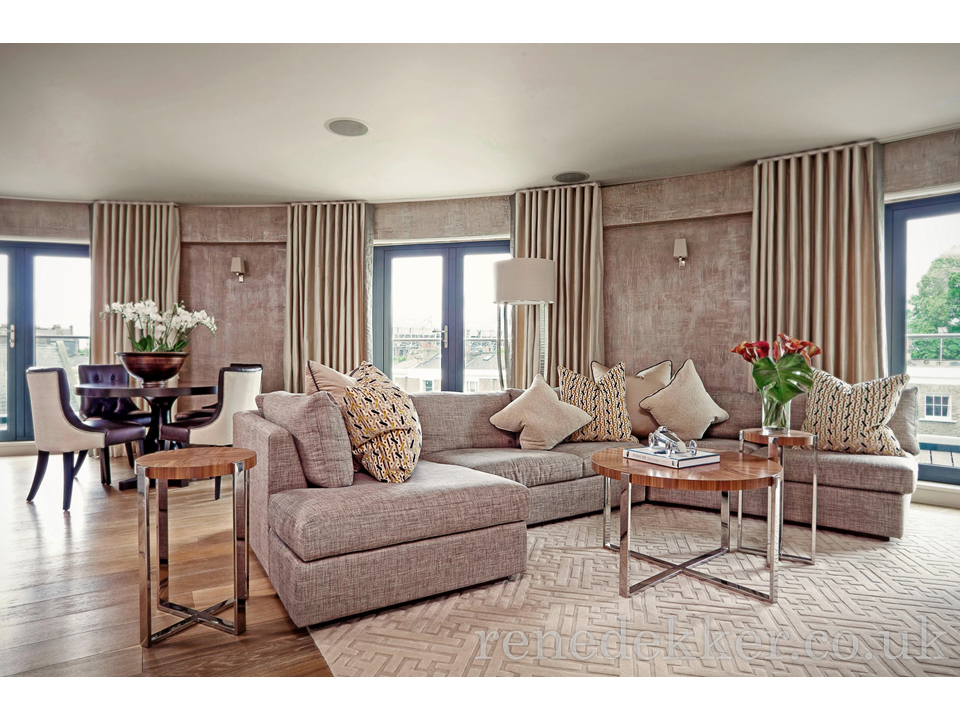
The architecture should always influence the interior. New York has an extraordinary range of residential buildings, and the character of a Brownstone is very different from that of a converted warehouse or glass tower.
Understanding those differences provides the starting point for the design.
New York Brownstone Interiors
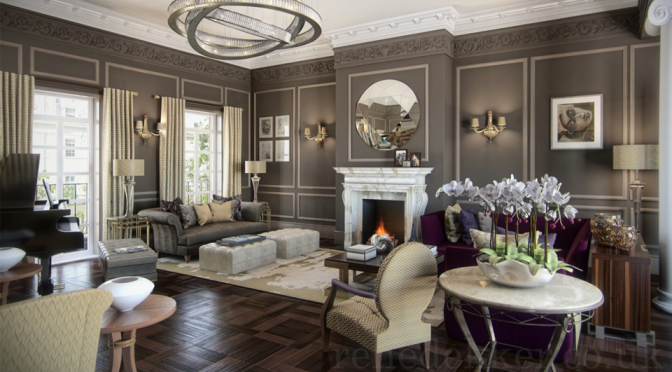
Brownstones provide a strong architectural framework for a sophisticated interior. High ceilings, decorative mouldings, fireplaces and generous windows can become important elements within the finished scheme.
Rather than filling these spaces entirely with traditional furniture, contemporary pieces can provide contrast. A modern sofa beneath traditional cornicing, abstract artwork above an original fireplace or a contemporary light fitting within a period room can make the architecture more noticeable rather than disguising it.
The relationship between old and new is what creates interest.
New York Loft Interiors
Lofts provide an entirely different opportunity.
Open spaces, large windows, high ceilings and industrial details create a natural setting for larger furniture and artwork. Exposed brick, steel, timber and concrete can provide much of the room's texture before furniture has even been introduced.
The challenge is often one of scale. Small furniture can become lost within a large open-plan room. Generous sofas, oversized rugs, substantial dining tables and large pieces of art help establish individual areas without relying on walls.
Lighting can also define different zones while maintaining the openness that makes loft living so appealing.
Luxury High-Rise Apartments
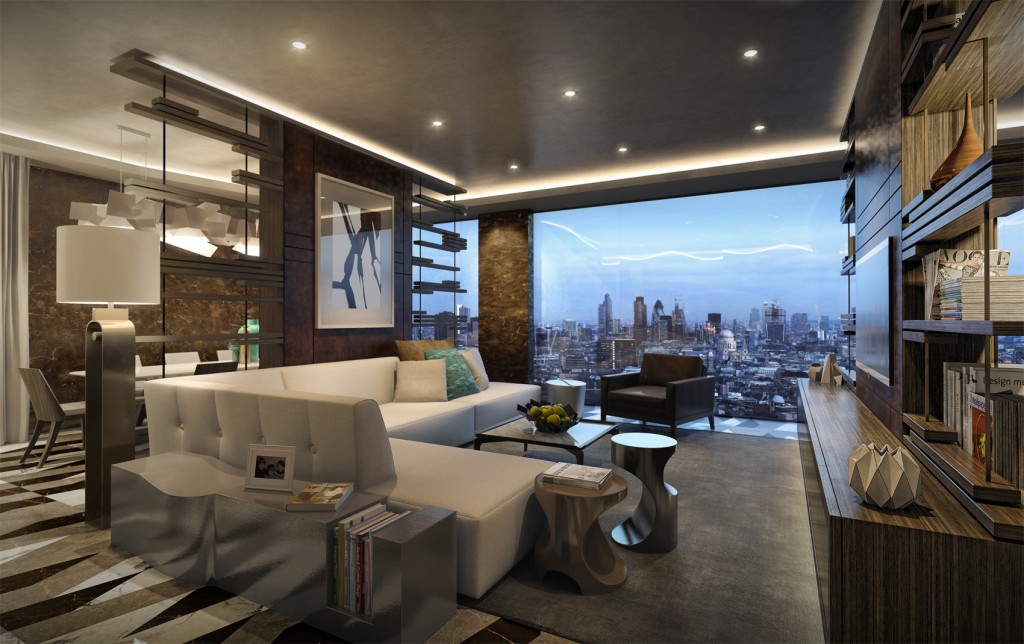
Modern high-rise apartments often provide expansive views, generous glazing and a cleaner architectural backdrop. Here, the interior can introduce warmth and character through texture, colour and bespoke detailing.
Timber, stone, metal, leather, silk and wool can soften the harder architectural surfaces. Bespoke joinery can also create architectural interest while providing practical storage. The view is often one of the apartment's strongest features, so furniture placement and lighting should enhance it rather than compete with it.
The Influence of Art Deco on New York Interiors
Few design movements are as closely associated with New York as Art Deco. The movement helped define some of the city's most recognisable architecture and continues to influence luxury interiors today.
Geometric forms, lacquered timber, polished metals, marble, mirrored surfaces and glamorous lighting can all introduce an Art Deco influence without turning a contemporary home into a period recreation.
The key is editing. A geometric console, sculptural chandelier or piece of highly polished furniture may be enough to establish the reference. Pairing these elements with simpler contemporary furniture prevents the room from feeling overly themed.
Art Deco also demonstrates something central to New York style: glamour does not need to mean excess. One beautifully made statement piece can sometimes provide more impact than a room filled with decorative objects.
Mixing Old and New Furniture
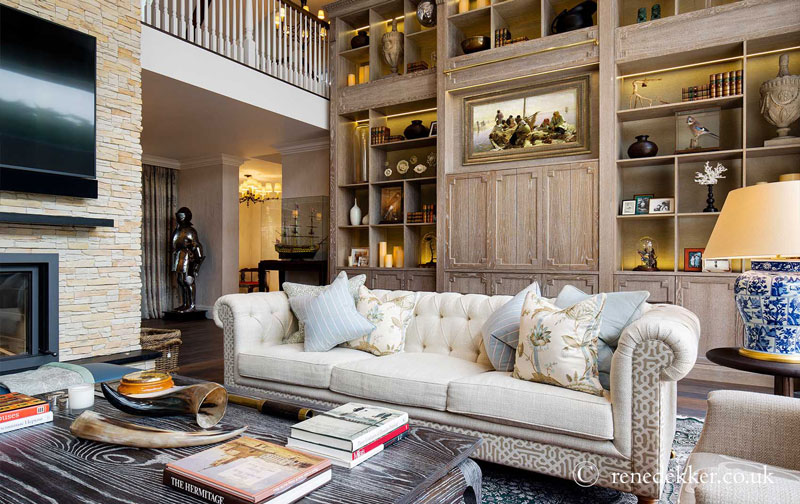
One of the most appealing aspects of New York interiors is the freedom to combine furnishings from different eras. An Art Deco table might sit alongside a contemporary sofa. A classic armchair can work with modern lighting. A vintage cabinet can provide contrast against a highly contemporary architectural backdrop.
These combinations create interiors that feel as though they have developed over time.
Successful mixing does, however, require some common ground. Scale, colour, material or shape can provide a connection between apparently unrelated pieces. Furniture does not have to match, but there should be a visual conversation between the individual elements.
Proportion is particularly important. A large room with high ceilings usually requires furniture with enough presence to hold its own within the architecture. In a smaller apartment, fewer carefully chosen pieces can make the room feel more spacious.
What Colours Define New York Interior Design?
There is no single New York colour palette.
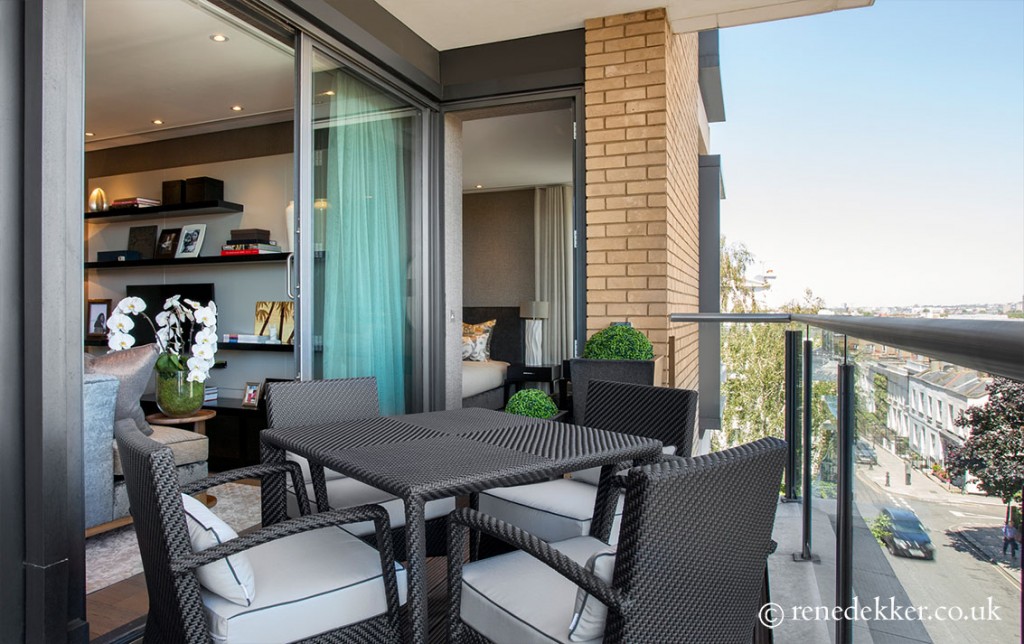
Neutral colours often provide a sophisticated foundation, particularly in contemporary apartments. Warm whites, greys, taupes and natural timber tones allow artwork, furniture and architectural details to take greater prominence.
Darker colours can create a different character.
Charcoal, chocolate, navy and deep green can bring drama to dining rooms, studies, entrance halls and evening spaces. When combined with warm metals, polished surfaces and carefully positioned lighting, darker palettes can feel luxurious rather than oppressive.
Colour can also be introduced through art and furniture.
A bold sofa, sculptural chair or large artwork can become the focus of an otherwise restrained room. This is often more effective than distributing strong colour evenly throughout the entire space.
Materials That Create a Luxury New York Interior
Material selection plays an important role in creating depth.
Marble and Stone
Natural stone can provide both structure and luxury.
Marble works particularly well in kitchens, bathrooms, entrance halls and fireplaces. Its natural variation prevents large surfaces from feeling flat and provides an effective contrast with timber and metal.
Timber
Timber brings warmth into both contemporary and traditional New York interiors.
Dark timber can create a rich, established atmosphere, while lighter finishes work well in brighter contemporary apartments. Bespoke timber joinery can also provide storage without introducing unnecessary visual clutter.
Metal and Glass
Metal and glass reference both New York's industrial heritage and its Art Deco architecture.
Bronze, brass, stainless steel and darker metal finishes can be introduced through lighting, furniture and architectural details.
Glass helps maintain a sense of openness and can be particularly useful where natural light is limited.
Luxurious Textiles
Fabric softens architectural surfaces and provides another opportunity to introduce colour and texture.
Velvet, silk, wool, leather and textured wall coverings can all contribute to a richer interior. Combining several textures is often more interesting than relying on pattern alone.
How Important Is Lighting in a New York Style Interior?
Lighting is fundamental because New York interiors can vary considerably in their access to natural light.
Apartments surrounded by other buildings may require a different strategy from high-rise residences with floor-to-ceiling windows.
Layering different sources of light creates flexibility.
Ambient lighting provides general illumination, while table lamps, floor lamps and wall lights create more intimate pools of light. Accent lighting can highlight artwork, architectural details or textured surfaces.
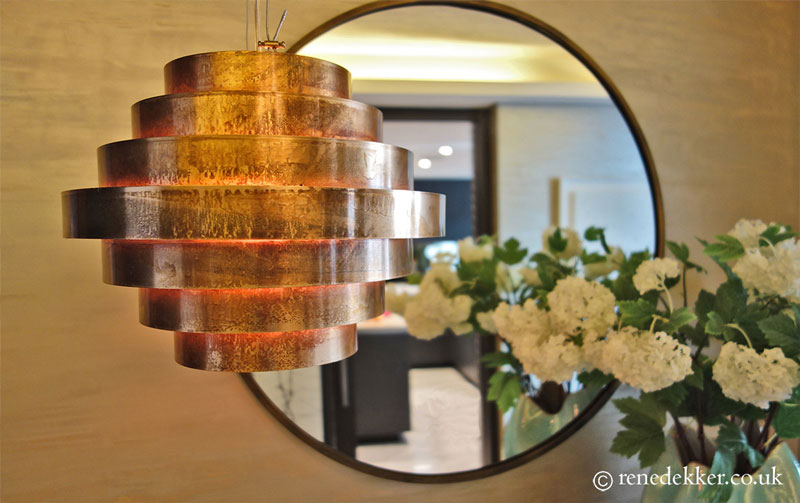
Statement lighting can also act as sculpture.
A dramatic chandelier above a dining table or sculptural pendant within a double-height space can provide a strong focal point even when the light is switched off.
The fitting should always suit the proportions of the room. A large space can accommodate a more dramatic fixture, while smaller rooms usually benefit from greater restraint.
Artwork Is Essential to the New York Look
Art can completely change the character of an interior.
New York has long been associated with art, galleries and creative culture, making artwork a natural component of interiors inspired by the city.
A large contemporary work can introduce colour into a neutral room. Photography can reinforce a monochromatic scheme, while sculpture can provide dimension within an entrance hall or living space.
Artwork does not need to match the furniture.
In fact, contrast is often more interesting. A contemporary painting above a traditional fireplace or classical piece within a minimalist room creates tension between periods.
The collection should ultimately reflect the owner rather than simply fill empty walls.
How Do You Create New York Style in a Smaller Apartment?
A smaller home can still capture the character of New York design.
The key is choosing fewer pieces with greater impact.
Start with furniture that is properly scaled to the room. Oversized furniture can restrict movement, but filling the space with numerous small pieces can make it feel cluttered. Built-in storage helps maintain cleaner lines and allows important furniture, art and accessories to stand out.
Mirrors and reflective materials can distribute light, while carefully selected lighting creates depth after dark. The design should also make full use of vertical space. Tall shelving, artwork and full-height window treatments can draw attention upward and make ceilings feel higher.
Most importantly, avoid trying to include every New York design reference in one room. A successful interior may only need one or two elements to establish its character.
Can New York Style Work in a London Home?
New York style can translate beautifully into a London property because both cities contain an extraordinary mix of historic and contemporary architecture.
A London townhouse, warehouse conversion or contemporary apartment can all accommodate elements associated with New York interiors.
The objective should not be to recreate Manhattan in London. Instead, the design can borrow the principles that make New York interiors interesting: mixing periods, respecting architecture, using quality materials, introducing strong artwork and creating contrast between classic and contemporary pieces.
This approach also allows the home to remain sympathetic to its original location and architecture.
Creating a New York Interior That Feels Personal
The best New York interiors do not look as though they were purchased from a single collection.
They evolve from the personalities and interests of the people living there. Books, artwork, furniture collected during travel, inherited pieces and bespoke items can all contribute to the story of the home. These elements prevent a professionally designed interior from feeling anonymous.
The role of the designer is to bring those individual pieces together into a coherent whole.
Colour, proportion, texture and repetition can establish connections between items that might otherwise appear unrelated. This is where eclectic design requires discipline. There is a difference between a room that is layered and one that is simply full.
Frequently Asked Questions
What defines New York style interior design?
New York style combines architectural character with furniture, artwork and materials from different periods. Art Deco, industrial design, contemporary luxury and classic furnishings can all contribute to the look. The result should feel layered and individual rather than based on a single design formula.
How can I make my home look like a New York apartment?
Start with the architecture and introduce a limited number of New York-inspired elements. Statement lighting, large artwork, quality materials, contrasting furniture styles and carefully considered colour can establish the look without making the interior feel themed.
What colours work best for a New York style interior?
Warm whites, grey, taupe and natural timber tones provide a versatile foundation, while navy, charcoal, deep green and other darker shades can add drama. Stronger colours can then be introduced through furniture, artwork and accessories.
Is Art Deco part of New York interior design?
Yes. Art Deco has a strong connection with New York architecture and continues to influence luxury interiors. Geometric forms, polished metals, marble, lacquered surfaces and statement lighting can introduce Art Deco character into contemporary spaces.
Can you mix traditional and modern furniture in a New York interior?
Yes. Combining periods is one of the defining characteristics of New York style. The key is to create connections through proportion, colour, materials or form so that traditional and contemporary pieces feel deliberately chosen rather than randomly assembled.
Conclusion
New York style is difficult to reduce to a single look, and that is precisely what makes it interesting.
Brownstones, lofts and contemporary apartments provide very different architectural starting points, yet each offers opportunities to combine classic and modern furniture, luxurious materials, bold artwork, rich textures and statement lighting.
The most successful New York-inspired interiors are not replicas of a particular apartment or design period. They borrow from the city's confidence and diversity while remaining appropriate to the architecture and the people who live there.
For René Dekker Design, this considered and tailored approach is central to creating luxury interiors. Rather than applying a predetermined house style, each project can respond to the property, the client's requirements and the opportunities presented by the space.
The result is an interior that feels sophisticated and carefully composed, but above all, personal.