Key Takeaways
- Build professional experience and a strong portfolio before launching your own interior design business.
- Plan for startup costs and maintain enough financial support to cover the early stages of the business.
- Develop relationships with clients, suppliers, contractors and other design professionals.
- Start at a manageable scale and expand your team and premises as your workload grows.
- Balance creativity with the business responsibilities involved in managing projects, finances and people.
What Do You Need to Start an Interior Design Business?
Starting your own interior design business requires more than creativity and a passion for beautiful interiors. A successful designer also needs practical experience, financial planning, a strong portfolio, trusted industry relationships and the ability to manage projects from the initial concept through to completion.
What to Consider Before Going Independent
For an experienced interior designer, going independent can provide greater creative freedom and control over the types of projects and clients you work with. However, running a design practice also means taking responsibility for budgets, schedules, contractors, suppliers, employees and the overall success of each project.
Here are ten important considerations for interior designers thinking about starting and growing their own business.
1. What Do You Need to Start an Interior Design Business?
A strong foundation begins with experience. Before starting an interior design business, it is helpful to have a proven track record that demonstrates your ability to develop concepts, work with clients and manage projects successfully.
A professional portfolio is particularly important. Potential clients want to see more than an individual sense of style. They want evidence that you can translate ideas into completed interiors while dealing with the practical demands of a project.
Financial preparation is equally important. Even a small interior design practice will have startup and operating costs. These may include design software, professional services, insurance, marketing, samples, travel, photography and administrative expenses.
Having financial support available during the early stages gives you time to establish the business without having to accept every project simply to generate immediate income.

2. How Do You Know When You're Ready to Go It Alone?
There is no single moment when an interior designer becomes ready to start a business, but several signs can indicate that the time is right.
You may have reached a point in your current role where you are no longer gaining new experience. You might also find that people are approaching you independently about projects or recommendations.
Managing the Full Design Process
Another important sign is confidence in your ability to manage the entire design process rather than one particular stage of it. Working independently means taking responsibility for client relationships, creative decisions, specifications, budgets, schedules and the many details involved in delivering a finished interior.
A network of potential clients and professional contacts can make the transition considerably easier.
3. How Difficult Is It to Start Your Own Interior Design Business?
Starting an interior design business can be challenging because you are building both a creative practice and a commercial operation.
One practical approach is to start small and expand as the business develops. Working from home, for example, can reduce overhead costs during the early stages. However, you need enough dedicated space for design work, samples, materials and administrative tasks.
If clients will visit your home, the space must also create the right professional impression.
Setting Up Your Business Foundations
Beyond the studio itself, there are business accounts, insurance, contracts, technology, project management systems and other administrative requirements to consider. Taking time to establish these foundations can prevent small problems from becoming larger ones as your workload increases.
4. How Important Is Networking for Interior Designers?
Networking is an important part of building an interior design business because the profession depends heavily on relationships.
A strong network can introduce you to prospective clients, architects, builders, craftspeople, manufacturers, suppliers and other professionals who may contribute to future projects.
These relationships can also improve the quality of your work. Knowing reliable contractors and specialist suppliers gives you access to the skills and materials needed to turn a design concept into a finished interior.
For designers working within the luxury market, trusted professional relationships are especially valuable because clients expect a high standard across every aspect of a project.
5. Where Can Interior Designers Build Professional Connections?
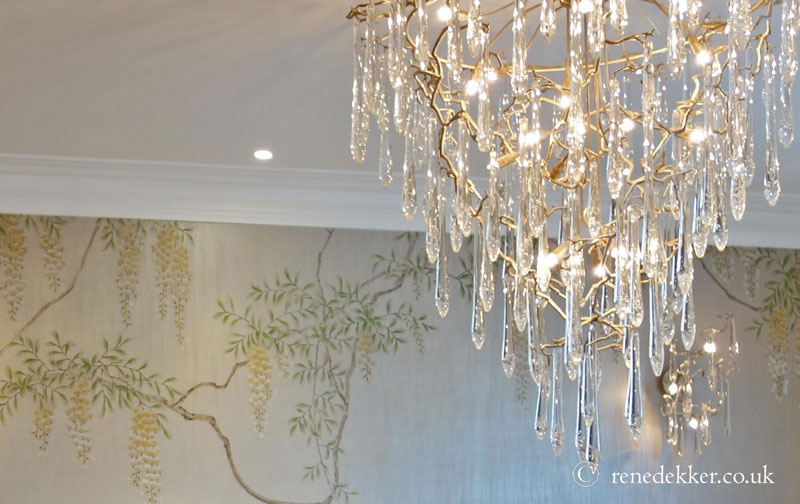
Design exhibitions, trade events and industry gatherings provide opportunities to meet suppliers, discover products and develop relationships with other professionals.
Events such as Decorex and other major design shows can be useful places to see new collections and meet people working throughout the interiors sector.
Networking should not be viewed simply as a way to find new clients. Relationships with craftspeople, suppliers and contractors can become part of the infrastructure of your business.
The stronger that professional network becomes, the easier it is to assemble the right team for each project.
6. How Do You Build a Strong Interior Design Portfolio?
An interior design portfolio should demonstrate the quality, range and thinking behind your work.
Professional photography is important because completed interiors are highly visual. However, a portfolio can also communicate how you approach a project. Showing different property types, design challenges and completed spaces helps prospective clients understand what you can deliver.
Quality is more important than quantity. A smaller selection of exceptional projects can communicate your capabilities more effectively than a large collection of work that does not represent the direction you want your business to take.
Your portfolio should also evolve with your practice. As you complete projects that better represent your design identity, those projects should become more prominent.
7. How Do You Establish Your Own Interior Design Style?
Developing a recognisable design identity does not mean applying the same aesthetic to every property.
Good interior design responds to the architecture, location, client and way the space will be used. A designer's identity often comes through in the way these different elements are interpreted rather than through a fixed collection of colours, materials or furnishings.
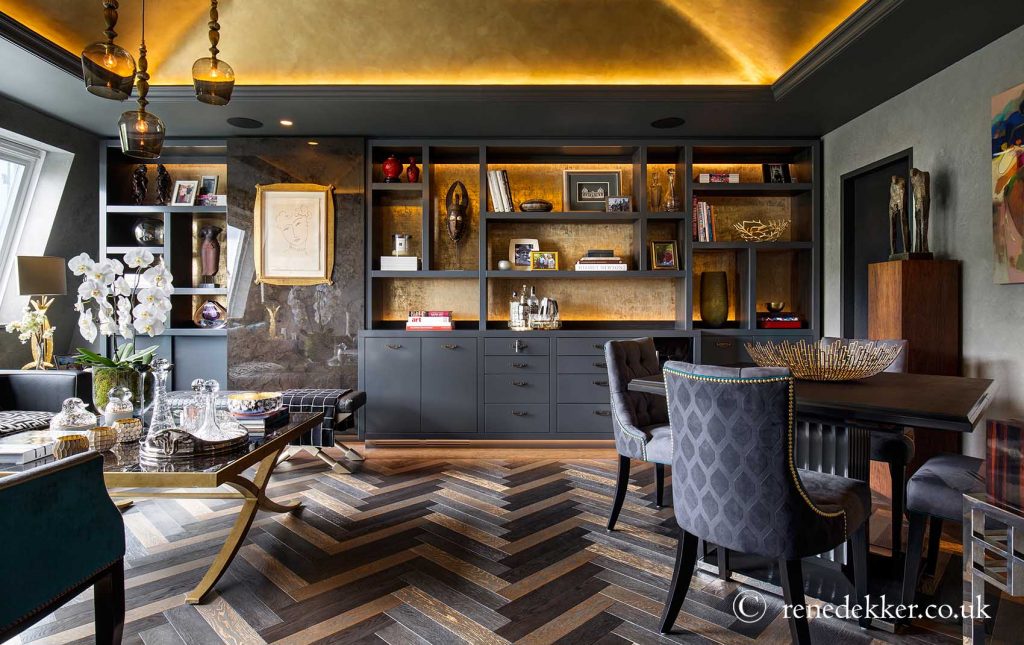
This is particularly important in luxury residential design. Clients want a home that feels individual rather than an interior that could belong to anyone.
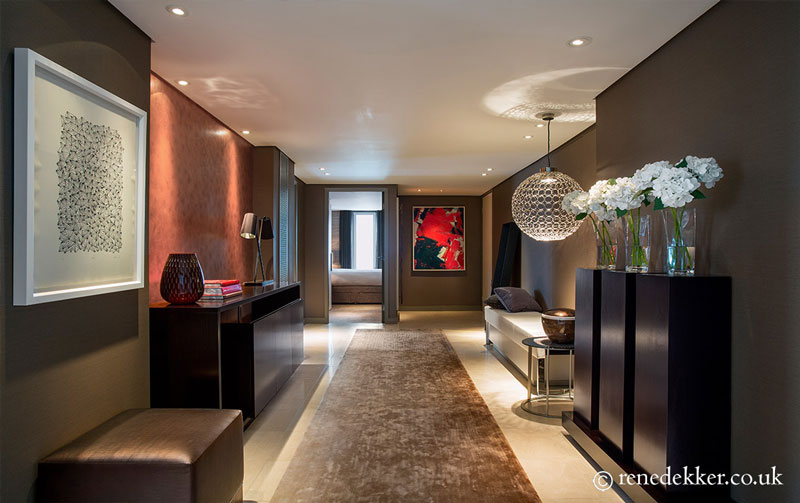
Over time, your portfolio will begin to communicate the qualities that distinguish your work, whether those are attention to detail, material selection, spatial planning, bespoke elements or the way contemporary and traditional influences are combined.

8. How Do You Expand an Interior Design Business?
Growth should normally follow demand rather than precede it.
If you are consistently receiving more projects than you can manage, it may be time to consider additional staff, larger premises or greater administrative support.
Expansion introduces new costs and responsibilities. These may include office space, furnishings, computers, software, phone systems, insurance, security, recruitment and employment requirements.
There is also a less obvious cost: time.
As a design practice grows, the person who established it may spend more time managing employees, finances and operations. The creative side of the business can temporarily take a back seat.
Planning for this change helps ensure growth does not compromise the quality of the work that created the demand in the first place.
9. What Are the Benefits of Owning an Interior Design Business?
One of the greatest advantages is having more control over your work.
As the business becomes established, you can have greater influence over the projects you accept, the clients you work with and the creative direction of the practice.
Running your own company also allows you to build a team and working process around your design philosophy. Rather than simply contributing to someone else's vision, you have the opportunity to develop your own reputation within the industry.
With success comes another important benefit: choice. An established designer may eventually be in a position to focus on the projects that best suit the studio's experience and creative direction.

10. What Are the Challenges of Running Your Own Design Practice?
Independence brings responsibility.
When you own an interior design business, responsibility for the project ultimately rests with you. You need to manage expectations, budgets, schedules, employees and the network of specialists involved in delivering the work.
There is also financial responsibility. Projects can be complex, particularly at the luxury end of the market, and unexpected issues can arise during design, procurement and installation.
Managing these challenges requires organisation as well as creativity. Clear communication, careful documentation and realistic planning can help keep projects on track.
The goal is to create a business structure that supports the creative process rather than competes with it.
What Should New Interior Designers Prioritise First?
New interior design businesses should focus first on experience, portfolio quality, financial stability, professional relationships and consistent project delivery.
Branding and marketing matter, but a strong reputation ultimately comes from the work itself. Clients who have a positive experience can become an important source of referrals, while successful projects provide the photography and case studies needed to attract future work.
It is also worth thinking carefully about the type of practice you want to create. The clients you accept and projects you pursue during the early stages can influence how the business is perceived later.
Establishing clear standards from the beginning can make future growth easier.
Should the Challenges Put You Off Starting Your Own Interior Design Business?
No, provided you understand what running a design practice involves and are prepared for both the creative and commercial responsibilities.
Starting an interior design business can be demanding, but it also provides the opportunity to build a practice around your own ideas, standards and approach to design.
Experience provides the foundation. Careful planning makes the transition more manageable, while a strong professional network can provide access to the clients, contractors and suppliers needed to deliver successful projects.
For designers who are ready to take responsibility for the entire process, establishing an independent practice can be the natural next stage of a career in interior design.
Frequently Asked Questions
Do you need experience before starting an interior design business?
Professional experience is highly valuable because running your own practice requires more than design skills. Experience working on real projects helps develop knowledge of client management, budgets, specifications, contractors, suppliers and project delivery.
Can you start an interior design business from home?
Yes. Starting from home can help reduce overhead costs while a new business becomes established. Ideally, you should have a dedicated workspace with enough room for design work, samples and storage, particularly if clients or suppliers will visit.
What should an interior designer include in a portfolio?
An interior design portfolio should feature high-quality examples of completed work that demonstrate the designer's abilities and approach. Professional photography, a range of spaces and examples that reflect the type of projects you want to attract can help potential clients understand your capabilities.
How do interior designers find clients?
Clients can come through referrals, professional networks, previous relationships, industry events, an online portfolio and partnerships with other professionals. Strong completed projects can also generate recommendations and repeat business.
When should an interior designer hire employees?
Hiring may make sense when project demand consistently exceeds the amount of work you can manage without affecting quality or service. Before expanding, consider the additional costs of salaries, premises, technology, insurance and management time.
Conclusion
Starting your own interior design business combines creative opportunity with considerable responsibility. Experience, a strong portfolio, financial planning and a trusted professional network provide the foundation, but long-term success also depends on managing projects and relationships with the same attention given to the interiors themselves.
Starting small gives a new practice room to establish its identity and reputation. As demand grows, the business can expand through additional staff, larger premises and a wider network of specialists.
Most importantly, an independent practice gives an interior designer the opportunity to define the work they want to create and build a business that reflects their own approach to design.